Back to Blog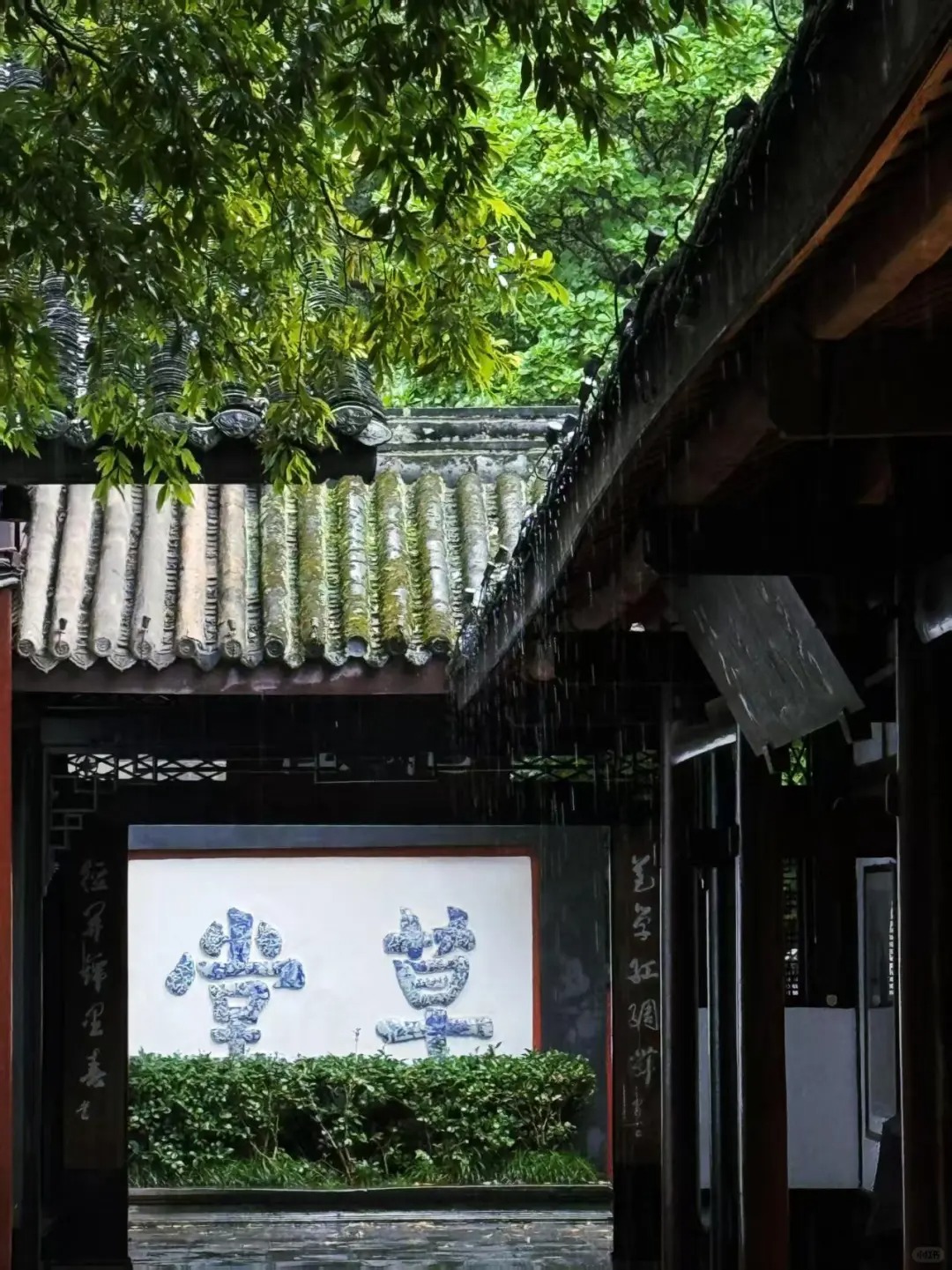
Culture
Du Fu Thatched Cottage: What It Is Really Like and Why It Is Worth Your Time
A practical visitor guide to Du Fu Thatched Cottage in Chengdu: what you will actually see, how much time to plan, and why this quiet park matters more than you think.
2026-04-156 min read
Du Fu Thatched Cottage gets mentioned in every Chengdu itinerary, but most descriptions make it sound like a boring poetry museum. It is not. It is a genuinely beautiful park with a calm, lived-in atmosphere that feels different from the busier Chengdu attractions. Here is what it is really like and how to visit.
The name is slightly misleading. It is not one thatched cottage that has survived for 1,300 years. It is a large park and museum complex built around the site where the Tang Dynasty poet Du Fu lived for nearly four years after fleeing the An Lushan Rebellion in 759 AD. During his time there, he wrote over 240 poems, including some of the most famous works in Chinese literature.
The site today includes reconstructed traditional buildings, bamboo groves, lotus ponds, stone bridges, winding paths, exhibition halls with Du Fu artifacts, and a Tang Dynasty archaeological site museum at the back. The original cottage was destroyed centuries ago. What you see now is a reconstruction built to honor his memory, but the setting still conveys why he found peace here.
You enter through a series of gates and courtyards that gradually take you away from the street noise. Within five minutes, you are surrounded by bamboo and hear birdsong instead of traffic. The first thing you notice is how green and quiet it is compared to the city outside.
The reconstructed thatched cottage sits at the center of the park. It is a modest thatch-roof house surrounded by a bamboo fence, looking humble and almost rustic. It is not grand or imposing. That is the point. Du Fu came here as a refugee, not as an honored poet, and the simple building reflects that reality.
Beyond the cottage, the park unfolds across paths that wind through bamboo groves, past lotus ponds, and around reconstructed halls that house poetry exhibitions. Elderly Chengdu locals practice tai chi in the mornings. Couples sit on benches reading. The place has a rhythm that is noticeably slower than the Panda Base or Jinli Street.
At the far back of the complex is the Tang Dynasty site museum, which is easy to miss but worth finding. It displays archaeological remains of the actual Tang-era settlement, including wells, pottery, and foundation stones. This is the most historically authentic part of the site.
Du Fu Thatched Cottage works best for visitors who like gardens, slower sightseeing, and cultural context. If you enjoy walking through beautiful parks and absorbing atmosphere without needing constant excitement, you will like it.
It is less rewarding for visitors who want visual spectacle, interactive exhibits, or quick photo opportunities. If your idea of a good attraction is flashy and action-packed, this is not that.
For travelers with a genuine interest in Chinese literature and history, the exhibition halls add significant value. For everyone else, the park and gardens are the main draw. You do not need to know Du Fu's poetry to enjoy the place, but reading a few lines before you go makes the visit richer.
Entry costs about 50 yuan, and you should plan for two to three hours if you want to walk the entire park at a relaxed pace. The best time to visit is spring when flowers bloom and the bamboo looks freshest, or autumn when the light through the trees is beautiful. Mornings are quieter and feel more local.
The location is on Qinghua Road in Qingyang District, easily reached by metro or taxi from central Chengdu. It pairs well with a visit to Kuanzhai Alley since they are in the same general area.
The honest truth is that Du Fu Thatched Cottage is not Chengdu's most exciting attraction. The Panda Base, Jinli Street, and Sichuan hotpot are all more immediately thrilling. But the cottage fills a different role in a Chengdu trip: it is the place that gives you room to breathe, slow down, and see a different layer of the city that the headliner attractions miss.
What Du Fu Thatched Cottage actually is
The name is slightly misleading. It is not one thatched cottage that has survived for 1,300 years. It is a large park and museum complex built around the site where the Tang Dynasty poet Du Fu lived for nearly four years after fleeing the An Lushan Rebellion in 759 AD. During his time there, he wrote over 240 poems, including some of the most famous works in Chinese literature.
The site today includes reconstructed traditional buildings, bamboo groves, lotus ponds, stone bridges, winding paths, exhibition halls with Du Fu artifacts, and a Tang Dynasty archaeological site museum at the back. The original cottage was destroyed centuries ago. What you see now is a reconstruction built to honor his memory, but the setting still conveys why he found peace here.
What the experience is actually like
You enter through a series of gates and courtyards that gradually take you away from the street noise. Within five minutes, you are surrounded by bamboo and hear birdsong instead of traffic. The first thing you notice is how green and quiet it is compared to the city outside.
The reconstructed thatched cottage sits at the center of the park. It is a modest thatch-roof house surrounded by a bamboo fence, looking humble and almost rustic. It is not grand or imposing. That is the point. Du Fu came here as a refugee, not as an honored poet, and the simple building reflects that reality.
Beyond the cottage, the park unfolds across paths that wind through bamboo groves, past lotus ponds, and around reconstructed halls that house poetry exhibitions. Elderly Chengdu locals practice tai chi in the mornings. Couples sit on benches reading. The place has a rhythm that is noticeably slower than the Panda Base or Jinli Street.
At the far back of the complex is the Tang Dynasty site museum, which is easy to miss but worth finding. It displays archaeological remains of the actual Tang-era settlement, including wells, pottery, and foundation stones. This is the most historically authentic part of the site.
Who should visit and who can skip it
Du Fu Thatched Cottage works best for visitors who like gardens, slower sightseeing, and cultural context. If you enjoy walking through beautiful parks and absorbing atmosphere without needing constant excitement, you will like it.
It is less rewarding for visitors who want visual spectacle, interactive exhibits, or quick photo opportunities. If your idea of a good attraction is flashy and action-packed, this is not that.
For travelers with a genuine interest in Chinese literature and history, the exhibition halls add significant value. For everyone else, the park and gardens are the main draw. You do not need to know Du Fu's poetry to enjoy the place, but reading a few lines before you go makes the visit richer.
Practical visitor information
Entry costs about 50 yuan, and you should plan for two to three hours if you want to walk the entire park at a relaxed pace. The best time to visit is spring when flowers bloom and the bamboo looks freshest, or autumn when the light through the trees is beautiful. Mornings are quieter and feel more local.
The location is on Qinghua Road in Qingyang District, easily reached by metro or taxi from central Chengdu. It pairs well with a visit to Kuanzhai Alley since they are in the same general area.
The honest truth is that Du Fu Thatched Cottage is not Chengdu's most exciting attraction. The Panda Base, Jinli Street, and Sichuan hotpot are all more immediately thrilling. But the cottage fills a different role in a Chengdu trip: it is the place that gives you room to breathe, slow down, and see a different layer of the city that the headliner attractions miss.
Topics
du fu thatched cottagedu fu cottageChengdu cultureTang DynastyChengdu attractionsChinese poetry
Useful FAQ next
If this post gave you context but the actual trip question is still unresolved, these are the fastest answers to read next.
Attractions
Is Du Fu Thatched Cottage worth visiting?
Yes, if you enjoy gardens, quiet cultural sites, and a break from busy attractions. It is a beautiful park more than a museum.
Attractions
What are the best things to do in Chengdu?
Visit the Giant Panda Base, explore ancient streets like Jinli, experience teahouse culture, and enjoy Sichuan cuisine.
Want Help Turning This Into a Better Trip Plan?
If this post helped but your route still feels loose, send me your dates and priorities and I can point you to the right next pages.