A local-first Chengdu restaurant guide covering real neighborhood dining, iconic Sichuan dishes, how to order, where to find the best versions, and what to eat on your first Chengdu trip.
The biggest mistake visitors make with Chengdu food
Most first-time visitors land in Chengdu, open a food app, and end up at a tourist restaurant near Chunxi Road that charges triple and tastes like a compromise. Chengdu does not reward that approach. The city's food strength is in the middle layer: neighborhood spots that have been doing one thing well for years, small hotpot shops that do not bother with English menus, noodle joints where you point at what the next table is eating, and street-side skewer stalls that look rough but taste incredible.
How to understand Chengdu's restaurant landscape
Chengdu restaurants fall into roughly four tiers. First, the legacy names that have been around forever, like Chen Mapo Tofu, which opened in 1862 and still serves the definitive mapo tofu. These places are worth visiting for context and history, but expect crowds and a slight tourist markup. Second, the popular Sichuan chain restaurants like Shu Jiu Xiang and Xiaolong Kan: they are consistent, clean, and easy to navigate. Third, the neighborhood specialist shops: a single room, a narrow menu, older furniture, cash-only, and some of the best meals you will have in Chengdu. Fourth, the newer independent restaurants in Tongzilin and the south city neighborhoods that are reinventing Sichuan food with better ingredients and a less punishing spice balance.
Where the best hotpot actually lives
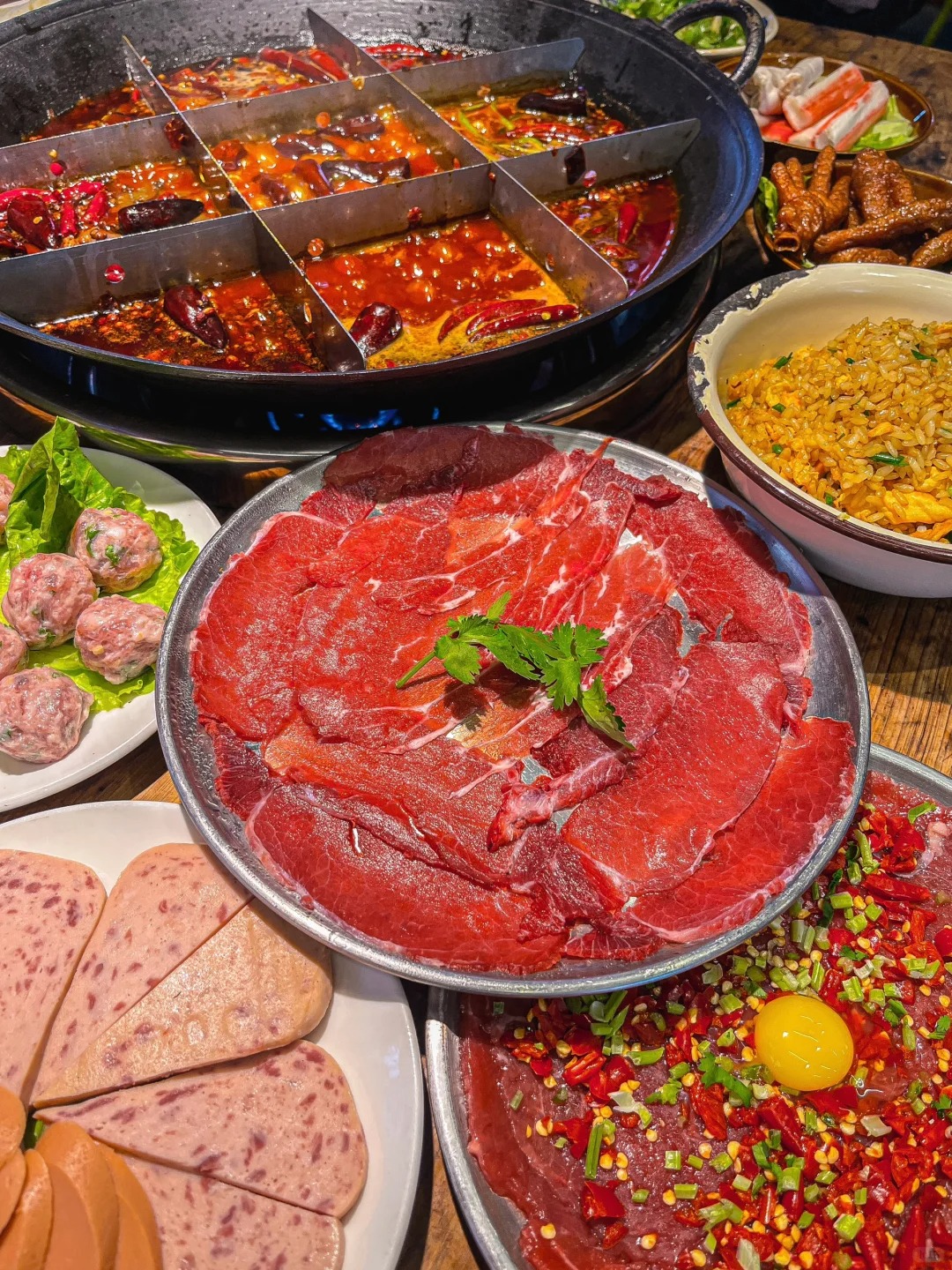
Everyone asks about hotpot. The honest answer: the most famous chains are fine, but the best hotpot is often at a place that looks like nothing from the street. You will know it by the queue outside at 6 PM and the persistent smell of chili oil hanging in the air. Shu Jiu Xiang is the safest entry point for first-timers because the quality is stable and the menu has pictures. Da Miao does a cleaner, more modern version that works well for groups. If you want to go deeper, ask your hotel staff where they ate their last hotpot dinner. That answer will almost always be better than any app recommendation.
What to eat beyond hotpot: the dishes that define Chengdu
Chengdu is not one meal. Mapo tofu at Chen Mapo Tofu is a must for the dish that started a global obsession. Dan dan noodles should be eaten standing up or on a low stool at a small noodle shop, not at a sit-down restaurant. Zhong dumplings are sweet-soy-and-chili-oil magic that takes about five minutes to finish and a lifetime to stop thinking about. Chuan chuan xiang, or skewered everything in spicy broth, is what hotpot looks like when it stops trying to be formal. Twice-cooked pork is the everyday Chengdu dish: fatty pork belly, garlic sprouts, fermented black beans. It is not flashy but it is the meal Chengdu people actually eat at home. Fuqi feipian is thinly sliced beef and offal in chili oil, much better than the name suggests. And sweet water noodles are thick, chewy, sweet-spicy, and deeply satisfying.
Best food neighborhoods to plan your trip around
The Yulin neighborhood is where Chengdu food feels most concentrated and most local. It is dense with old noodle shops, barbecue spots, and late-night dumpling places. If you stay near here, your dinner options multiply without needing a taxi. The Tongzilin area skews more upmarket but has some of the best independent Sichuan restaurants in the city, including creative chefs doing lighter, cleaner versions of classics. The area around Sichuan University has the cheapest and most authentic student-focused food: skewers, fried rice, bubble tea, and rice noodles. Jinli and Kuanzhai are fine for snacking and atmosphere but do not rely on them for dinner. The old city center around Yanshikou and Chunxi Road has excellent local food courts on upper floors of department stores that most visitors never find.
For visitors who cannot handle heavy spice
Chengdu is not only fire. Some of the best dishes in the city are mild or balanced. Zhangcha duck is tea-smoked and deeply savory with no spice at all. Sweet and sour pork ribs are a classic. Boiled fish in pickled vegetable broth is tangy and warming without pain. Tomato egg noodle soup is a comfort food that requires no courage. And every hotpot place will happily serve you the mild half of a yuanyang pot. You do not need to suffer to eat well in Chengdu. Smart eating is about variety, not tolerance.
Ordering tips that make a real difference
Most Chengdu restaurants do not have English menus. That is okay. The easiest method is to save photos of dishes you want on your phone and show them. Many places also have picture menus if you ask. For spice level, the phrase wei la means mildly spicy. If you are really worried, say bu yao la, which means no spice, though that limits your options. Cash is increasingly unnecessary because everyone pays with WeChat or Alipay, but having some cash still helps at the smallest street stalls. Do not be shy about pointing at other tables. It is common and expected.
A realistic first-trip eating strategy
Do not try to eat every famous dish in three days. You will exhaust yourself and your stomach. Instead, pick one anchor meal per day: one hotpot dinner, one classic Sichuan lunch at a legacy restaurant, one neighborhood food crawl. Fill the rest with noodles, dumplings, snacks, and tea. The best Chengdu food trips do not feel like a food marathon. They feel like a few great meals connected by a lot of easy, satisfying eating.