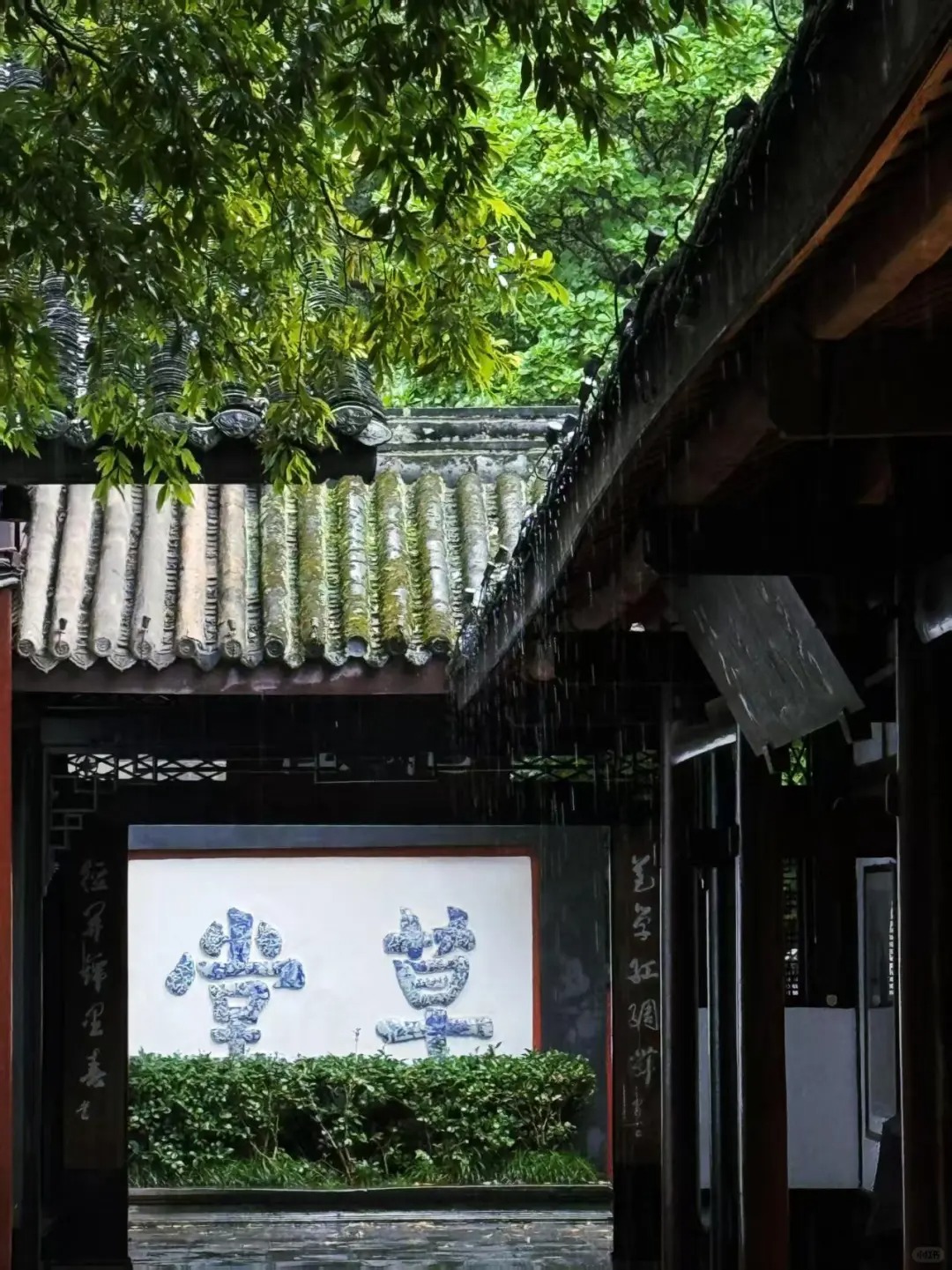
A practical Chengdu rainy morning guide covering how to reshape the first half of the day with easier indoor starts, shorter transfers, and better low-stress options.
Why rainy mornings are trickier than rainy afternoons
A wet morning usually ruins the part of the day travelers rely on most: the clean start. Panda plans, old-street walks, and cross-city movement all feel heavier when the day begins with wet pavement and low energy. That is why the first choice matters more than people expect. A good rainy morning decision can still save the whole day.
What I would not do first
I would not force a long uncovered transfer, a photo-heavy old street, or a sprawling outdoor park as the opening move. If the morning starts gray and wet, do not spend your best patience on logistics. Chengdu becomes much easier when the first stop is compact, seated, and forgiving.
What works best instead
The strongest rainy morning pattern is one indoor or semi-indoor anchor, one slow meal, and a decision point around lunch. Wenshu area, a calmer teahouse start, a museum-friendly block, or a temple with easier pacing all work better than trying to preserve the original plan minute by minute.
How to use the afternoon well
A rainy morning does not mean the whole day is lost. Often the right move is to soften the first half, then see what the city feels like after lunch. If the weather improves, you can still do one outdoor or heritage stop later. If it does not, keep leaning into food, tea, museums, and easy neighborhoods instead of declaring the day a failure.
Who should simplify fastest
If you are with children, parents, seniors, or anyone already tired from arrival, rainy mornings are the time to cut ambition early. The trip usually gets better when you simplify at 9 AM instead of pushing until 1 PM and discovering everyone is done.