A practical Chengdu budget breakdown for foreign travelers covering real hotel standards, food spending, transport habits, coffee and bar costs, and how solo and couple budgets usually differ.
What a real foreign-traveler daily budget looks like
A lot of Chengdu budget advice online quietly assumes local habits: very simple hotels, ultra-cheap daily meals, almost no coffee, very little nightlife, and total comfort with local apps and rougher neighborhood choices. That is not how most foreign visitors actually travel. A more realistic range is about 70 to 110 USD per day for a comfortable solo traveler, or about 110 to 180 USD per day for two people sharing a decent room and taking a practical rather than ultra-cheap approach.
Why foreign-traveler budgets usually run higher
The biggest difference is accommodation standard. Many overseas travelers do not want the absolute cheapest local option. They usually want reliable air conditioning, cleaner bathrooms, a smoother check-in experience, stronger sound insulation, and a neighborhood that still feels easy at night. Add one coffee, one DiDi ride, or one nicer dinner, and the daily total moves quickly away from the local baseline.
A more useful budget split
For most visitors, the money goes in this order: hotel first, then food rhythm, then how often you use cars instead of metro, then extras like cocktails, cafés, massages, or paid shows. Attraction tickets in Chengdu usually do not destroy the budget on their own. The hidden budget swing is comfort spending: choosing the easier hotel area, taking a DiDi when tired, sitting down for coffee between stops, or ending the night with drinks in a polished area.
Where it is worth spending a bit more
I would spend more on hotel location rather than a bigger room in a remote district. A better base saves time, cuts down on transfer friction, and improves your evening options. I would also spend more on one or two anchor meals, a reliable first-night arrival plan, and the occasional DiDi when the weather, fatigue, or language friction makes convenience genuinely worth it.
Where you can save without harming the trip
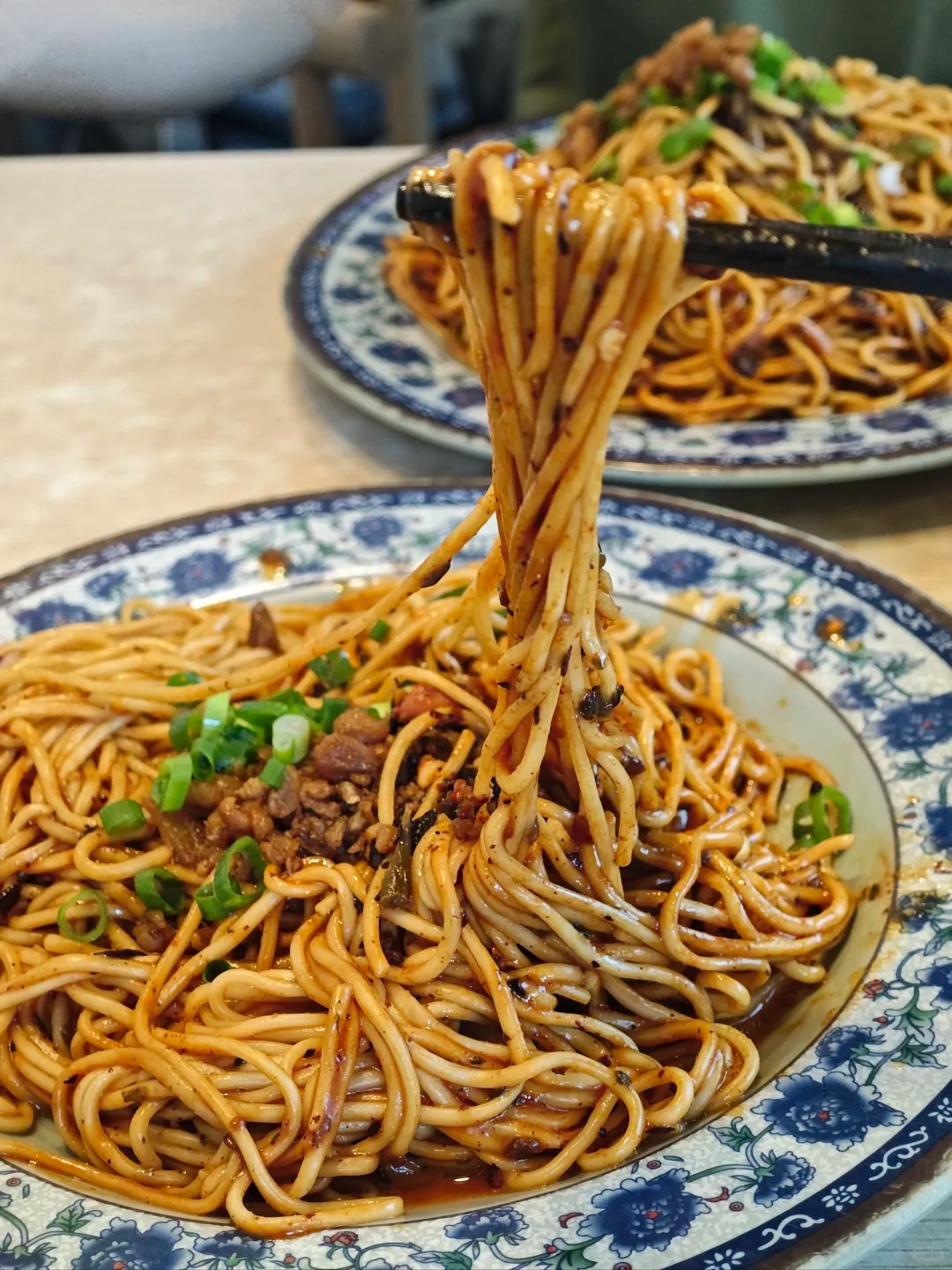
You can still save well on breakfast, metro-heavy days, and simple lunch stops. Chengdu is strong precisely because good everyday food is not limited to expensive places. A foreign traveler does not need to spend Western-city money to eat well here. The smarter approach is mixed spending: one quality dinner, one simple noodle lunch, public transport on easy days, and taxis only when they save real effort.
Solo, couple, and family budgets are not the same
Solo travelers usually feel Chengdu slightly more expensive because they do not split hotel and car costs. Couples often get the best value because the room cost softens immediately. Families can still find strong value, but they spend more on room size, easier transport, and meal predictability. That is why copied local backpacker numbers often feel unrealistic for foreign visitors.
A useful budget mindset
Do not build the trip around the cheapest version of everything. Build it around a smooth version of the city. If your budget allows just one upgrade, make that your location, hotel standard, or one anchor food experience. Chengdu is still good value, but the realistic goal for most foreign travelers is not ultra-cheap. It is comfortable and efficient without overspending.